
What It Really Takes to Pull Off a Multi-Day Experience
Multi-day experiences are the real stress test of an experiential event production agency. Anyone can pull off a single night. Very few can maintain energy, clarity, and quality over three, four, or five days without burning out the team or boring the audience.
Whether it’s a Super Bowl hospitality build, an Olympic fan zone, a multi-day festival footprint, or a brand summit that runs all weekend, the same truth applies: nothing about a successful multi-day experience is accidental. It’s all architecture—of story, of time, of movement, of money.
At Create Something Amazing (CSA), we approach multi-day work as a blend of experience design, behavioral strategy, and operational discipline. Here’s what it really takes.
Experience Sequencing: Designing Days That Don’t Blur Together
The fastest way to lose people at a multi-day event is to give them the exact same thing in a slightly different order.
We treat each day like a new chapter in the same story. The throughline is consistent, but what people do, feel, and discover evolves.
Instead of repeating a format, we build:
Layered engagement across days. Workshops one day, live demos the next. Deep-dive panels followed by smaller salon-style conversations. Hands-on activations balanced with open social windows. No two days should feel interchangeable.
Planned “unexpected” moments. Pop-ups that only appear once. A surprise Q&A guest. A bar that turns into an interactive tasting. A new room reveal on Day 3. These moments keep people talking, posting, and looking forward to what’s next.
Real-time remixing. We watch the energy. Which sessions are standing room only? Where are people lingering? What’s being shared online? That feedback shapes what gets elevated, expanded, or quietly retired on the following day.
The goal is simple: guests should wake up thinking, “I wonder what they’re going to do today,” not, “I already know how this goes.”
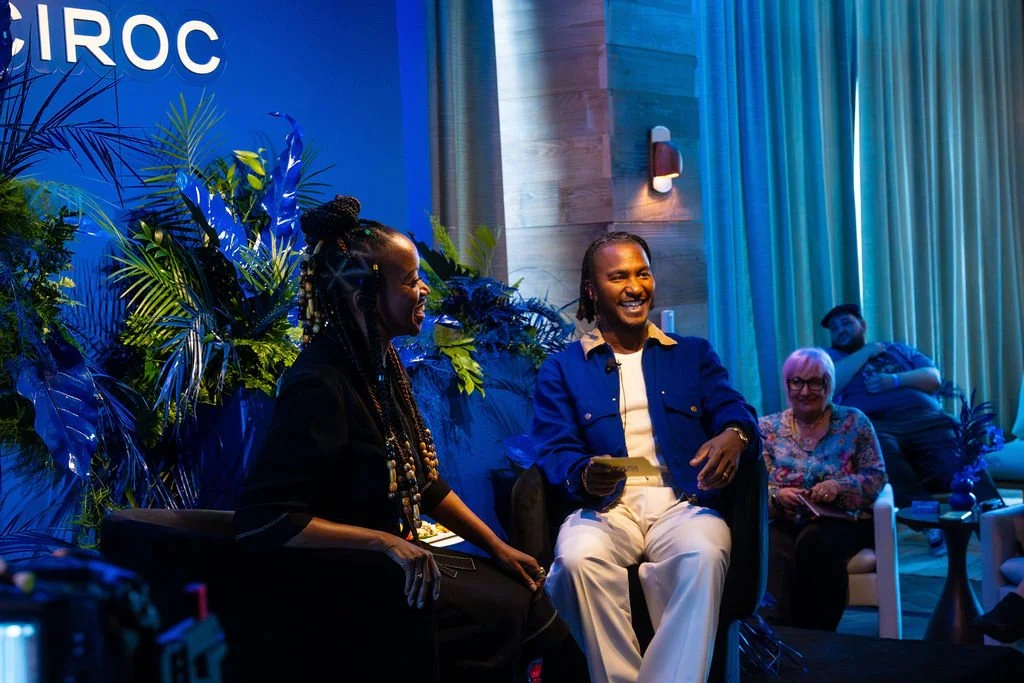
Capacity and Crowd Dynamics: Movement Is a Design Element
If experience sequencing is the emotional architecture, guest flow is the physical one. Multi-day events fall apart when movement isn’t designed with the same care as the content.
Think about the feeling of moving through a great festival—Coachella, SXSW, or a well-produced brand takeover—where you flow from one space to the next without ever truly stopping. That’s routing. That’s queue mechanics. That’s predictive modeling of how real people behave in real space.
CSA plans for:
Clear, intentional pathways. You’re not just “letting people in.” You’re guiding them—subtly—toward stages, installations, retail, food, and rest zones. Every turn is an opportunity to reinforce the experience instead of creating a bottleneck.
VIP access that doesn’t break general access. Separate VIP entrances, lounges, and viewing areas don’t need to create resentment or chaos. When VIP pathways are discreet and well-routed, VIPs feel taken care of, and general attendees still feel prioritized and free.
Timed access for high-demand moments. Big experiences—F1 fan zones, NBA All-Star activations, headline installations—often work best when entry is staggered. Time slots keep spaces intimate, manage safety, and make the experience feel elevated rather than overcrowded.
Movement is not an afterthought. Done well, it becomes part of the memory.
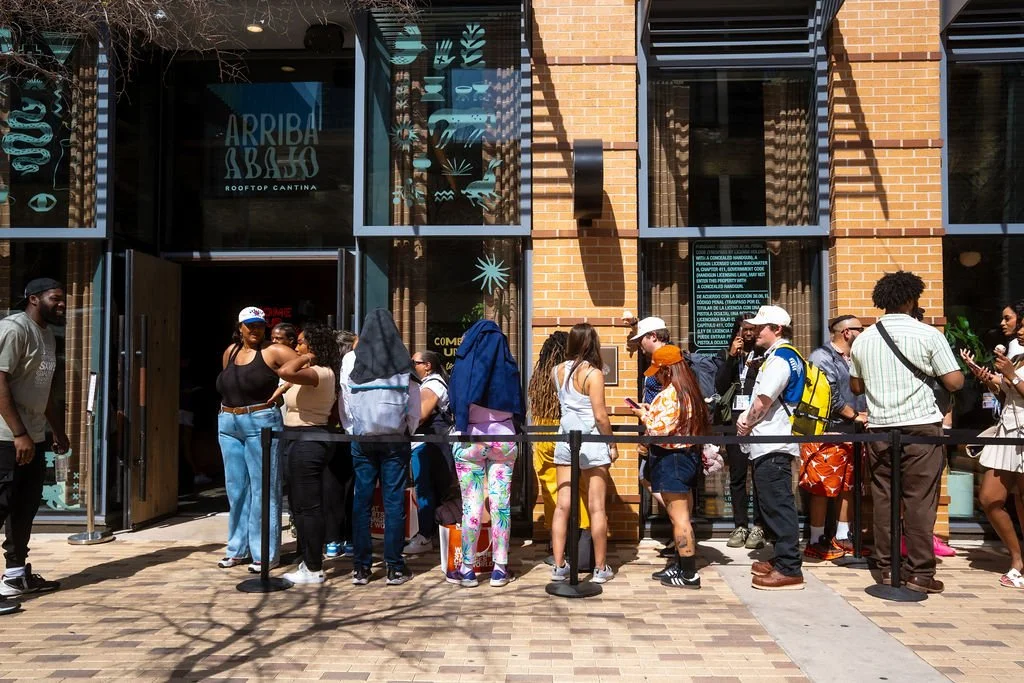
Stakeholder Ecosystem Alignment: The Part No One Sees (But Everyone Feels)
A multi-day experience isn’t just a guest journey. It’s a stakeholder ecosystem: brand team, sponsors, talent, influencers, security, legal, venue staff, vendors, and city partners—all with different priorities and pressures.
If they’re not aligned, the cracks show up in the guest experience. If they are aligned, the event feels effortless.
CSA focuses on three key areas:
1. A Shared Vision That’s Actually Shared
It’s not enough to have a deck. Everyone—from the CMO to the overnight cleaning crew—needs to understand:
Why this event exists
What “success” looks like
What the non-negotiables are
When teams know the “why,” they can make better decisions in the moment.
2. Role Clarity Instead of Role Chaos
Ambiguity is where money quietly disappears. Who owns sponsor deliverables? Who approves last-minute creative? Who can say “no” to scope creep? Who is responsible for content capture? When those lines are blurry, you end up with duplicated work, rushed fixes, unnecessary overtime, and expensive last-minute changes.
This is where so many of the hidden costs of multi-day production live—costs that weren’t in the original budget but show up in the final invoice. If you’re planning a large-scale experience, this is exactly why we encourage teams to get ahead of it with a resource like The 10 Hidden Costs of Event Production (and How to Avoid Them). It forces you to see the financial ripple effects of every decision before you’re locked in.
3. Communication That Doesn’t Break Under Pressure
Daily touchpoints, shared channels, and clear escalation paths are non-negotiable. Slack or Teams for quick problem-solving. Centralized documents for run-of-show and changes. On-site huddles for real-time recalibration.
When information flows, issues get solved before guests ever feel them.
Designing for the Aftershock: Extending Impact Beyond the Final Day
A multi-day experience generates a volume of content and connection that most brands underestimate. If everything ends when the doors close on the last day, you’ve left a lot of equity on the table.
CSA bakes in what we call the aftershock effect:
Turning Days of Programming Into Months of Assets
Every keynote, panel, workshop, dinner, and social moment is an opportunity to capture:
Short-form video
Highlight reels and recap films
Still photography for press and decks
Behind-the-scenes storytelling
Partner spotlights and case studies
This becomes a living archive you can use for future campaigns, internal alignment, sizzle reels, sales pitches, and recruitment—not just a “recap post.”
Letting Partnerships Work Long After the Event Is Over
Co-hosting with media outlets, platforms, or aligned brands extends the life of your experience. Maybe a wellness retreat becomes a multi-part editorial series. Maybe a tech summit lives on as a podcast mini-season. Maybe a sports hospitality build gets folded into a documentary-style case study.
The point is: the event is a launchpad, not a finish line.
Treating Feedback Like an Asset, Not an Obligation
Surveys, QR codes at key touchpoints, debrief interviews with partners and talent—this is the data that tells you what actually landed.
Which sessions people would come back for
Which spaces felt overcrowded or underused
Which details people mention the most when they talk about the event
That data becomes your roadmap for Year 2 and beyond. It’s also where you see, in black and white, where money was well spent—and where it quietly leaked. Again, this is where guidance like The 10 Hidden Costs of Event Production (and How to Avoid Them) becomes powerful. It helps translate “we ran over here” into specific, fixable line items in planning.
Why Multi-Day Experiences Are a Different Category of Commitment
At the surface level, a multi-day event might look like a longer version of a one-day program. On the backend, it is an entirely different discipline.
You need:
A sequenced narrative instead of a single moment
Routing and access plans that still function on Day 3
Stakeholder ecosystems that can make decisions quickly
Budget structures that plan for fatigue, contingency, and scaleA strategy to carry the impact forward after the last attendee leaves
When all of that comes together, a multi-day experience stops being “just an event” and becomes a defining chapter for the brand.
If you’re planning a multi-day experience for 2026–2028—whether around global sports, cultural circuits, or your own flagship brand moments—now is the time to architect it, not scramble for it. And if you want to stay ahead of budget surprises while you do it, The 10 Hidden Costs of Event Production (and How to Avoid Them) is the exact kind of internal tool your team should have open while you plan.
CSA exists for the brands that are ready to treat these experiences as assets, not stressors—and who want a partner that can carry them from idea to aftershock.