
The Power of Pop-Ups: How Temporary Spaces Create Lasting Event Memories
Pop-ups have become one of the most powerful tools in experiential marketing—but not because they’re trendy. They work because they manipulate time, perception, and human behavior in ways permanent spaces simply cannot. A pop-up is a controlled moment in culture: temporary, intentional, and emotionally charged. And when executed at a premium level, it becomes a memory anchor people return to long after the build is gone.
At Create Something Amazing, we’ve seen this play out across art fairs, brand dinners, sports activations, and large-scale launches. Temporary spaces—when engineered with precision—trigger deeper emotional imprinting, richer brand affinity, and significantly higher content capture. They create the illusion of rarity, and brands benefit from that psychological effect every single time.
The Psychology of Temporality: Why Pop-Ups Hit Harder
Humans are wired to value things that are fleeting. A temporary environment signals exclusivity—whether the brand announces it or not. The brain registers: This won’t exist tomorrow. That alone changes how people behave inside the space.
Nostalgia activated in real time.
Temporary environments feel like artifacts-in-the-making. Guests ascribe meaning to them instantly because they know they’re not coming back. It’s emotional acceleration: a moment that becomes a memory before the event has even ended. This drives FOMO, but more importantly, it deepens the sense that something culturally relevant is happening right now.
Scarcity = sharper brand recall.
“Blink-and-you-miss-it” moments pull the guest’s attention into high definition. People look more closely. They listen more carefully. They remember more clearly. When pop-ups are created with intention—visual continuity, story alignment, sensory cohesion—attendees walk away with a crystal-clear understanding of the brand’s message.
Limited builds elevate perceived quality.
Scarcity automatically signals craftsmanship. A beautifully designed temporary space communicates: We built this just for you, for right now. That alone elevates brand perception, even before a single product or message is introduced.
Micro-Choice Architecture: Designing Movement, Emotion, and Engagement
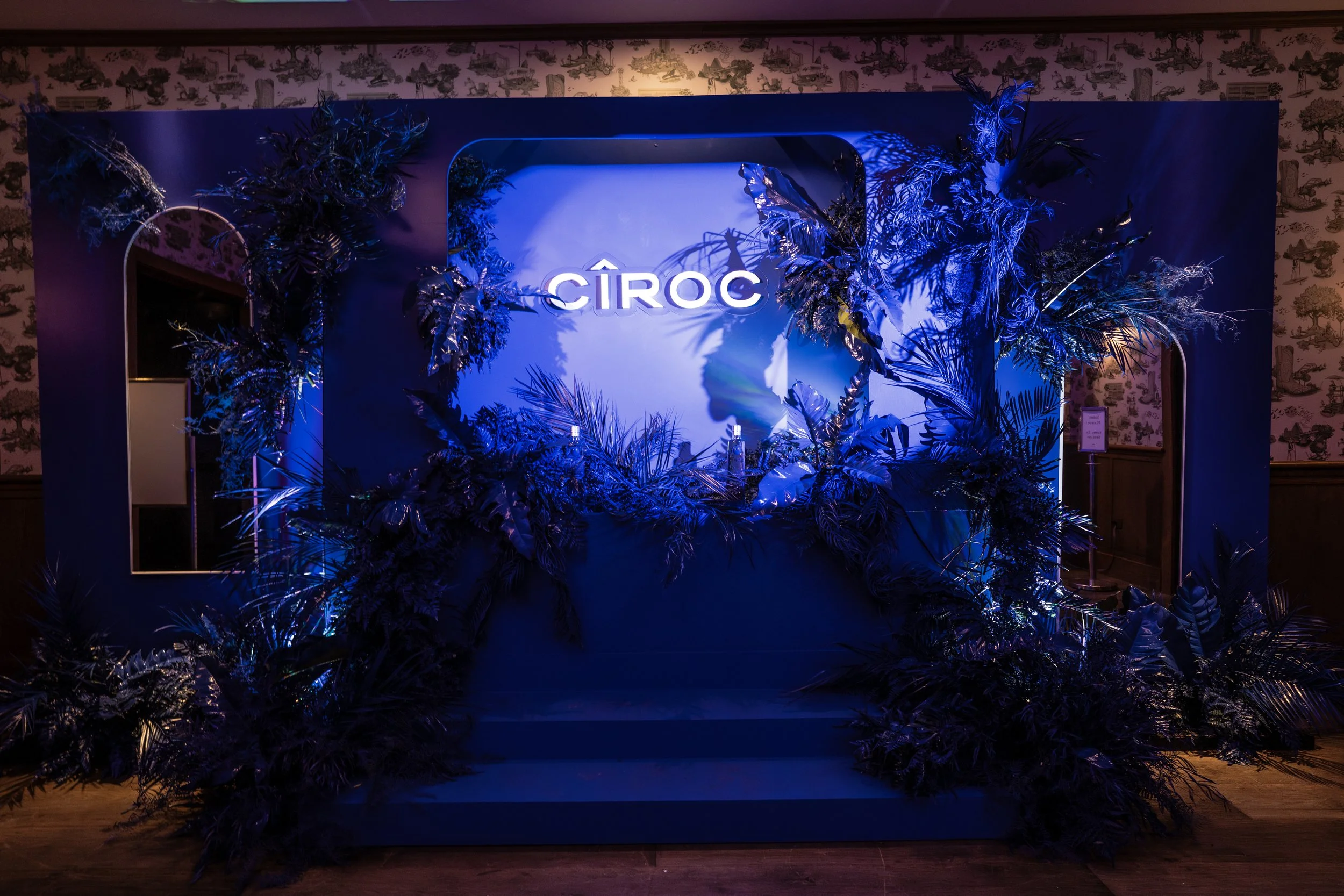
A well-built pop-up isn’t just decor—it’s behavioral architecture. At CSA, we design for the first 12 seconds, because those first steps determine everything: whether guests stay, explore, or disengage.
The entrance has to feel intentional, not chaotic. Staff must be informed and present. And guests should be met—not with confusion—but with a moment that cues the brain: You’re in the right place.
We think about:
How the entrance feels visually and energetically
Where the first decision point happens (“Do I walk left, right, or deeper in?”)
How clear the flow is for general guests versus VIPs
What happens if someone shows up unsure where they’re supposed to be
The basics—parking, list management, line flow—are not small details. They are the first interaction with the brand experience. If that feels disorganized or unthoughtful, the event starts with friction instead of anticipation.
Staffing is part of the design. Directional staff, floaters, and registration teams are briefed beyond logistics—they’re aligned on the story, the tone, and what success looks like. Before guests even enter the main space, we often introduce micro-engagements: a photo moment, a video capture, a conversational card, or a custom cocktail that starts the narrative before the “official” programming begins.
If you want to see how these choices stack into full concepts—entrance flows, modular builds, and guest pathways—The Pop-Up Blueprint breaks down how we structure pop-up environments so they feel effortless to the guest but incredibly intentional behind the scenes.
Multi-Sensory Signature Moments: How Temporary Spaces Become Permanent in Memory
One of the reasons CSA’s pop-ups resonate long after they’re gone is our approach to sensory stacking—pairing sound, scent, lighting, and texture to create a cohesive emotional atmosphere.
During our Art Basel dinner, every detail was engineered to activate multiple senses at once:
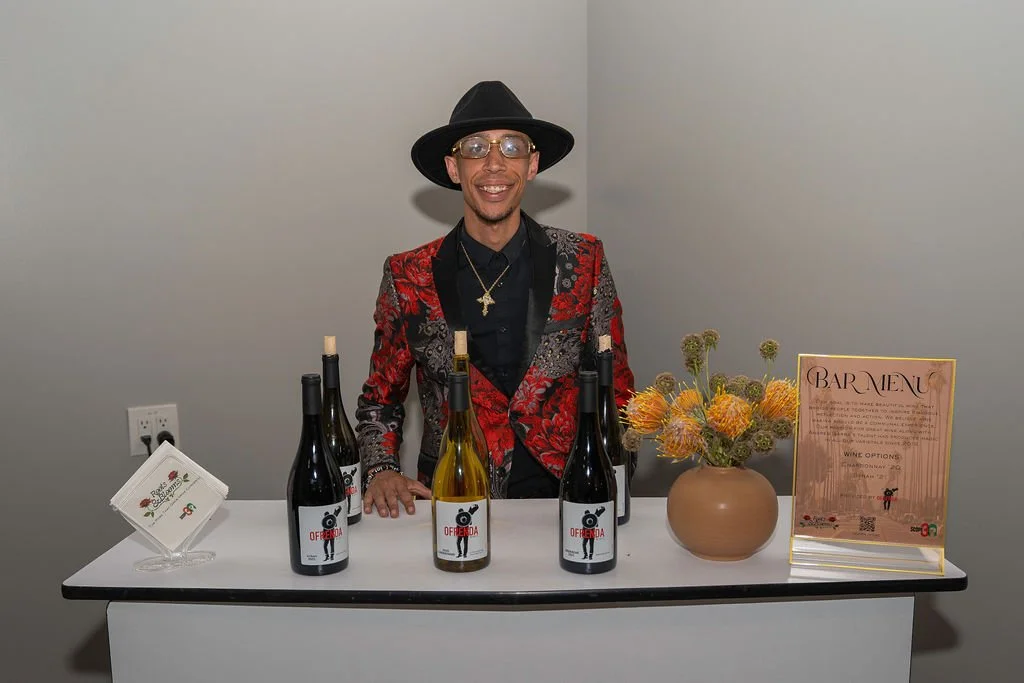
Drinks were curated by color to echo the branding for the event
Desserts were inspired by the art pieces surrounding the space, turning the menu into a continuation of the visual story.
Instead of a standard step-and-repeat, guests were greeted by a sculptural artwork that became the signature photo moment.
A violinist called guests from the library into the main dining space to welcome guests to dinner, shifting the energy with sound rather than announcements.
These are not incidental choices. The more senses engaged, the more likely it is that the memory of the event will stick. A guest might forget the run-of-show, but they won’t forget how a room felt when light, music, texture, and space were working together.
The Engineering Behind a Premium Pop-Up: Fast Build, Fast Strike, Zero Compromise
From the outside, a polished pop-up looks like it materialized overnight. In many cases, it did—but only because the production process is choreographed with extreme precision.
We anchor the process in a few core phases:
Kickoff + Creative DNA Transfer
We start with a full creative download: concept, mood, sketches, inspiration, must-haves, dealbreakers, and accurate, to-scale floorplans. HEX codes and Pantones are non-negotiable—they’re the guardrails for visual precision.
Technical Drawings + Feasibility Reality Check
Fabricators translate the idea into buildable drawings, flagging structural issues, cost drivers, and logistical constraints. Site visits confirm that what’s on paper can actually exist in the space.
Material Selection + Prototyping
We choose materials that hit the right balance of aesthetics, durability, and budget. Sample panels or mini-mockups get produced so there are no surprises on install day.
Production + Progress Check-Ins
Once approved, fabrication begins. This is the cutting, welding, painting, and assembling phase—the unglamorous backbone of an exceptional pop-up.
Delivery, Install + On-Site Refinement
When the pieces arrive on site, everything moves in parallel. One team builds structure, another lays in lighting, another handles branding, and AV starts testing before anyone has time to panic. Strike happens in reverse—clean, fast, and with minimal disruption.
This is how you get a fully polished, premium pop-up up in 24–48 hours and gone just as fast. If you’re planning multiple markets, or you want a framework that can repeat city-to-city, The Pop-Up Blueprint walks through modular approaches and routing strategies that make fast-build, fast-strike pop-ups scalable instead of chaotic.
From Photo Moment to Share Moment: Designing for Organic Content, Not Forced Captures
Modern guests don’t want to be told where to stand and smile. They want experiences that feel worth capturing—moments that feel like something they discovered, not something they were pushed into.
We design pop-ups around instinctive guest behavior rather than tightly staged content blocks.
At a conference, this might look like:
Stages with visual depth and dynamic lighting that look good from multiple angles
Networking areas that naturally cluster people into photographable scenes
Branded wayfinding and digital elements that show up cleanly on camera
At a dinner, this looks like:
Tabletop storytelling through centerpieces, plating, and materials
Edible and sculptural elements that make people pause before taking the first bite
Layering in visual cues that say: this moment is worth remembering
At a mixer, this might be:
Micro pop-ups within the event: a cocktail bar, an art wall, a “secret” entry cue
Gamified prompts: cursed tokens, drink challenges, or “bring someone new” cards
Small incentives for sharing a key visual or moment tied back to the brand
The goal isn’t to force content—it’s to create an environment where people can’t help but reach for their phones. When a pop-up is designed this way, a temporary space doesn’t just house a moment; it multiplies it.
Pop-Ups Aren’t Temporary. Their Impact Isn’t Either.
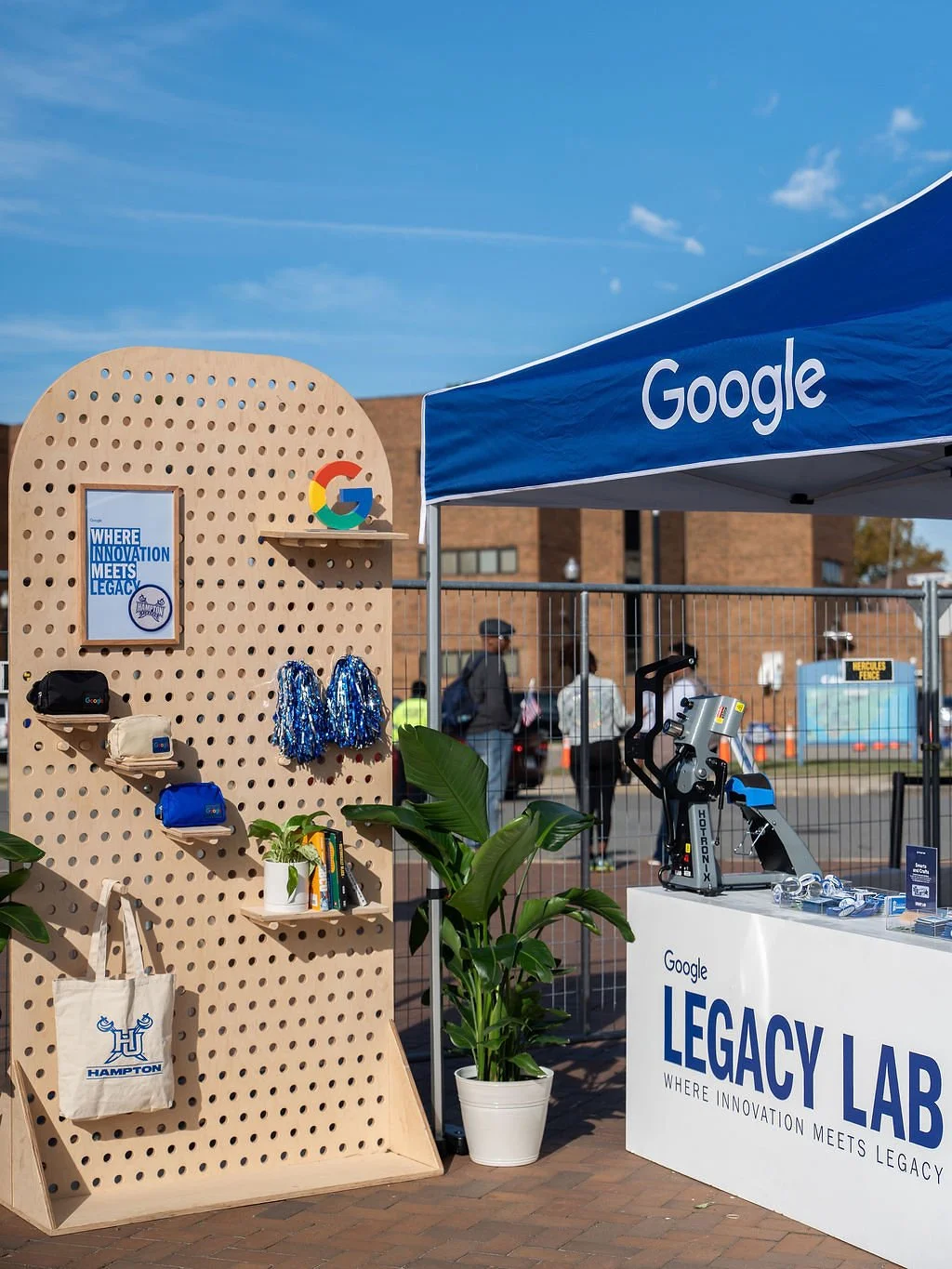
Pop-ups work because they compress time, intention, and story into a defined window—and ask people to step fully into it. When brands treat them as more than décor or stunts, they become some of the most efficient, high-impact tools in the experiential toolkit.
For brands planning their next launch, tour stop, or cultural moment, the question isn’t, “Should we do a pop-up?” It’s, “Are we going to treat this as a serious asset or a one-off experiment?”
If you’re ready to design a pop-up that’s engineered for memory, content, and scale—not just aesthetics—The Pop-Up Blueprint is the next step. It breaks down modular concepts, guest flow frameworks, and production considerations you can use internally or with your agency partner to build something that doesn’t just show up—it stays with people long after it’s gone.
And when you’re ready to move from blueprint to build, CSA is the experiential event production agency that can take that vision off the page and into the world.