
FROM STADIUM TO STREET: THE RISE OF NEIGHBORHOOD POP-UPS DURING GLOBAL SPORTING EVENTS
In the world of global sports—Super Bowl, FIFA World Cup, Formula 1, the Olympics—brands have always chased proximity. For decades, the holy grail was “inside the venue”: official hospitality suites, logo placements, sanctioned booths. But the landscape has shifted, and today the highest-impact brand moments are happening far beyond the stadium gates.
Neighborhood pop-ups—fast-build, culturally tuned, street-level experiences—are quickly becoming the most effective way for brands to participate in these global moments without the cost, constraints, or creative limitations of official sponsorship. Fans now spend as much time in the surrounding neighborhoods as they do in their seats, and brands who meet that energy head-on are winning bigger, faster, and more organically than ever before.
This shift didn’t happen by accident. It happened because consumer behavior changed, and experiential marketing evolved with it.
Why Pop-Ups Are Becoming the Center of Sports Culture
The power of neighborhood pop-ups lies in their ability to capture culture, not just attendance. Stadiums collect crowds; streets collect stories. People pregame with friends, grab local food, take photos, roam between bars, celebrate small wins, and create rituals around the game that have nothing to do with official programming.
A smart pop-up doesn’t try to replicate the stadium—it becomes an extension of the fan experience. It blends seamlessly into the neighborhood’s existing rhythm. It feels discovered, not delivered. And that sense of discovery is the difference between a branded moment that gets ignored and one that becomes a viral piece of fan-generated content.
A street-level activation also opens the door for inclusivity. Not every fan has a ticket or VIP credential. But everyone can walk into a well-placed block party, tasting station, mini-lounge, or immersive micro-installation. Brands widen their reach faster when they show up in spaces the public already feels welcome.
This is why we built The Pop-Up Blueprint—to help brands understand how to design pop-ups that feel contextual, intentional, and culturally intelligent. It’s the playbook for making temporary spaces feel like they belong to the moment.
The ROI Behind Pop-Ups: Why They Outperform Traditional Sponsorship
The biggest misconception around pop-ups is that they are a “lite” version of a traditional event activation. In reality, they often deliver stronger ROI because they are not burdened by the fixed costs, regulations, and creative restrictions of official venues.
When a brand runs a neighborhood pop-up, they control the footprint, the flow, the design language, and the emotional tone. They choose where the energy lives, and they align with the culture of the area rather than competing with every other brand inside the official fan zone.
Financially, pop-ups can stretch budgets further. Instead of pouring money into high-ticket hospitality fees, brands can reallocate toward fabrication, content capture, food and beverage partnerships, or modular builds that travel from market to market. A well-executed pop-up in one city can become a touring asset for FIFA, Super Bowl, F1, SXSW, or Cannes.
When we evaluate ROI with clients, we don’t just measure attendance—we measure dwell time, repeat visitation, social amplification, and emotional connection to the brand. Pop-ups consistently outperform because they feel personal, not prescriptive.
The Production Truth: What It Actually Takes to Pull Off a Street-Level Pop-Up
Creating a pop-up in the middle of a neighborhood is not a simplified version of event production—it’s a different discipline altogether. You’re dealing with open environments, unpredictable foot traffic, and a level of operational choreography that requires precision.
Location selection becomes a strategic exercise, not a convenience. We evaluate visibility, walk patterns, shade, sound, access to power, emergency routes, load-in pathways, ADA considerations, and neighborhood culture before we ever begin fabrication. A pop-up lives or dies by whether people naturally gravitate toward it.
Accessibility is another layer brands underestimate. Without a traditional building, you’re considering sidewalks, terrain leveling, ventilation, seating, shade coverage, and the simple question: “Can someone stay here comfortably for 10–20 minutes?”
Permitting can be the most complex piece—street closures, sidewalk use, fire codes, temporary electrical, sanitation, local business approvals, and in some cities, neighborhood board sign-off. These require lead time, relationships, and a clear understanding of municipal priorities.
Then comes wayfinding. Street-level environments require layered signage—ground-level, eye-level, directional, and ambient touchpoints that guide people from the street into the experience. Without that visual narrative, even the best pop-up becomes invisible.
This is where CSA excels: we build pop-ups that feel effortless to guests precisely because the backend is engineered with rigor.
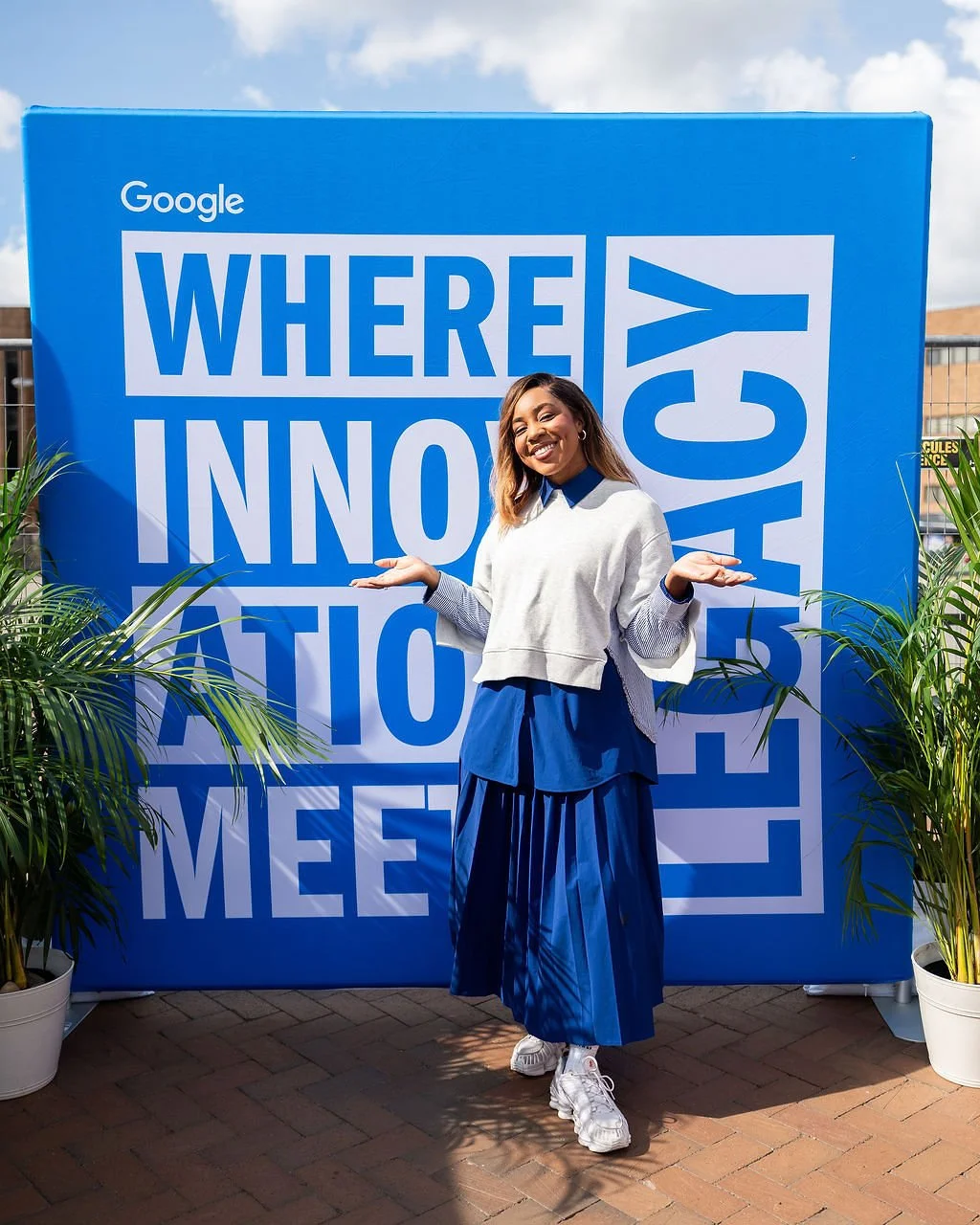
Clarifying Your Pop-Up Strategy: Is It a One-Off or a Scalable Asset?
Before we ever present a concept, we ask two clarifying questions:
Is this activation meant to live once?
Or is it designed to travel?
A one-time pop-up for Super Bowl weekend carries a different design and budget philosophy than a modular build intended for 6–10 global markets. If the goal is longevity, we’re looking at portable structures, weather-resistant materials, collapsible frames, and design systems that maintain their integrity across cities.
If the goal is a single iconic moment, we lean into storytelling, craftsmanship, and high-impact aesthetics designed to live online forever. Many of these concepts are featured inside The Pop-Up Blueprint, which outlines how to structure pop-ups based on goals, geography, and rhythm of the moment.
The Difference Between a Tailgate, a Pop-Up, and a Full Brand Activation
There’s a misconception that these formats are interchangeable. They aren’t.
A tailgate is built around communal energy—food, music, fan rituals, watch moments.
A neighborhood pop-up is built around brand storytelling and interaction.
A full brand activation is a multi-layered environment with programming, VIP routing, AV, and hospitality.
Pop-ups sit in the sweet spot: culturally accessible, highly creative, and budget-flexible. They allow brands to tap into the energy of the moment without the pressure of a full-scale build.
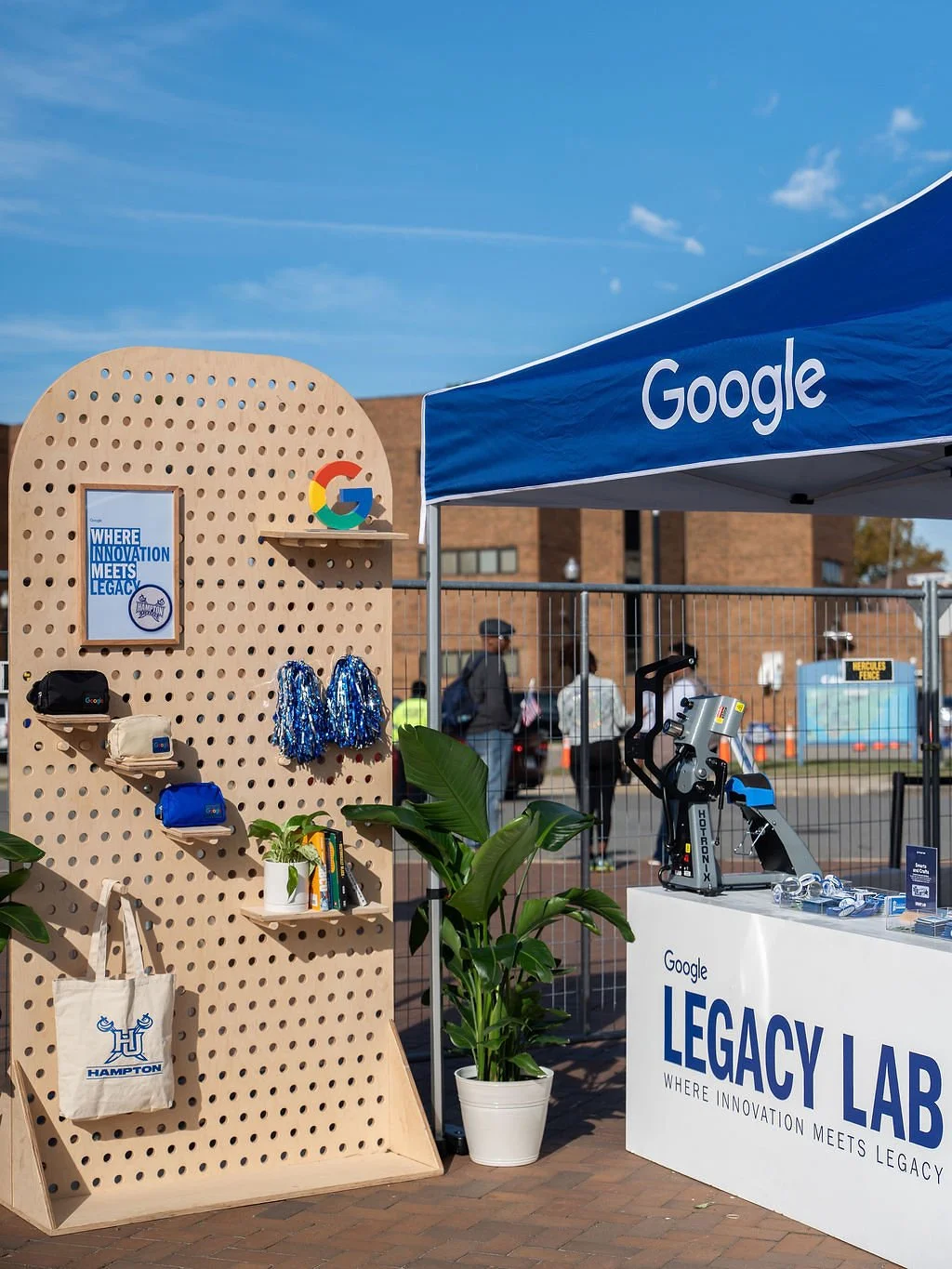
How CSA Helps Brands Move From Idea to Impact
Our job is to help brands show up in ways that feel intentional, elevated, and culturally fluent. When we build neighborhood pop-ups, we bring:
Strategic concepting that captures the cultural energy of the neighborhood
Modular fabrication built for speed, durability, and travel
Permitting + logistics handled end-to-end
Experience architecture that maps guest flow, content zones, sensory layers, and engagement
Operational staffing for seamless guest experience
Amplification strategies to turn a neighborhood moment into a global one
Neighborhood pop-ups aren’t an afterthought—they’re a strategic move. And for small brands, big brands, or teams that want maximum reach without maximum spend, this is the smartest way to participate in global sporting moments.
