
FROM LOCAL MOMENTS TO GLOBAL STAGES: HOW SMALL BRANDS CAN MAKE A BIG IMPACT DURING MAJOR EVENTS
Major events—Super Bowls, FIFA tournaments, the Olympics, NBA All Star, national conferences—can feel intimidating for small brands with limited budgets. The world is watching, big sponsors dominate the landscape, and competition for attention seems impossible to penetrate.
But here’s the truth: Small brands can create memorable, culture-shifting experiential moments when they focus on strategy, not scale.
With the right blueprint, a small, well-executed activation can outperform larger, expensive builds because it feels intentional, authentic, and discoverable in a way big-budget installations never do.
At Create Something Amazing (CSA), we’ve helped boutique brands, emerging companies, and growing creators cut through the noise during massive cultural moments by leaning into what we call:
Micro-Budget, Macro-Impact Experiential Strategy.
Micro-Budget, Macro-Impact: How Small Brands Win Big
You don’t need a sprawling footprint or six-figure fabrication budget to stand out. You need clarity, prioritization, and strong execution.
Here’s how CSA structures brand budgets to ensure that every dollar works like a spotlight—not a scatterplot.
Identify the Hero Moment
Large and small brands alike often overproduce and dilute their impact.
The strategic move? Pick one unforgettable moment and build the entire experience around it.
This could be:
A tightly designed pop-up installation
A mini tasting lounge
A single-room immersive moment
A VIP micro-experience
A photo-forward activation engineered for organic UGC
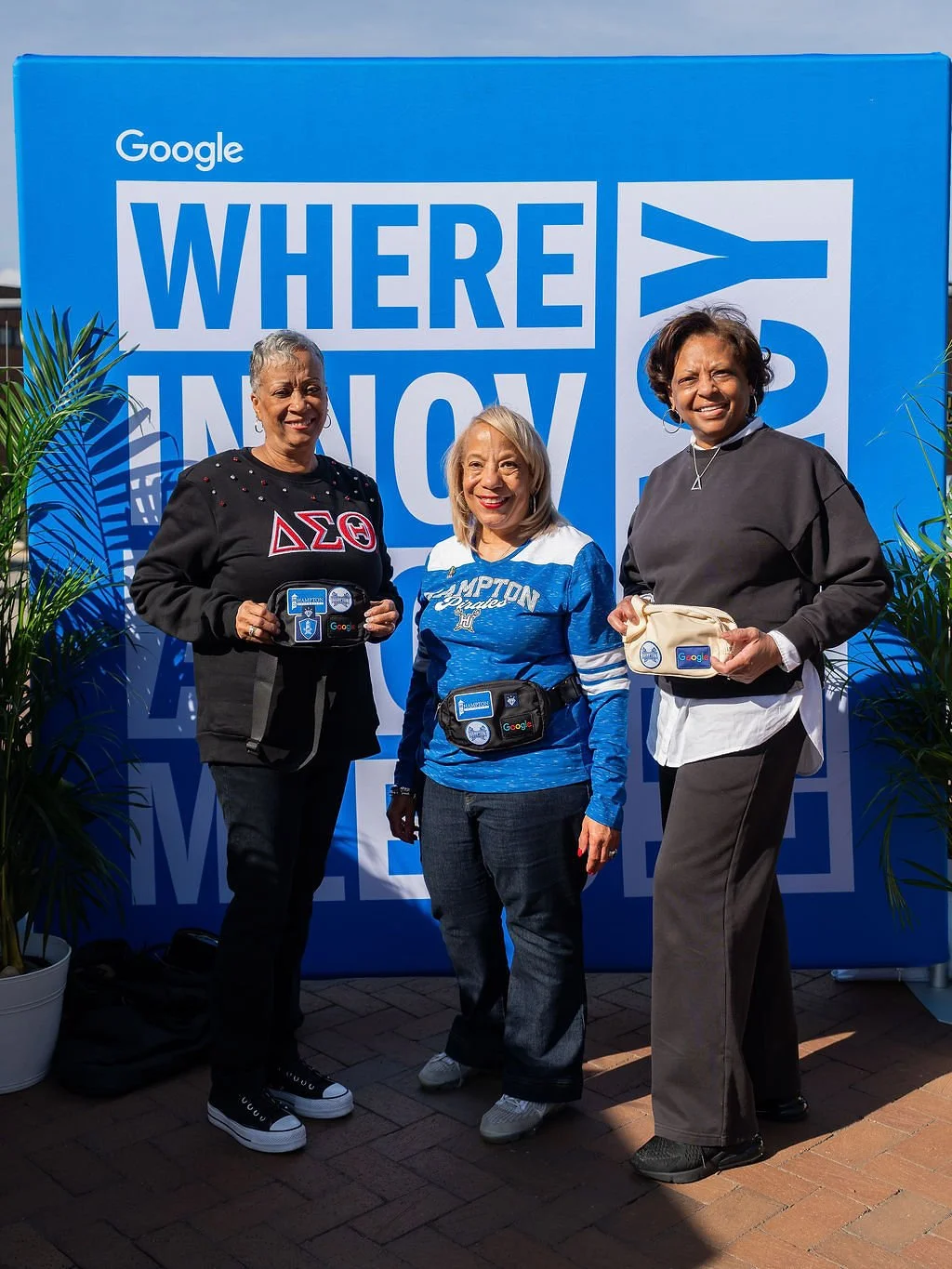
When you stop trying to do everything, you free up resources to make one thing absolutely exceptional.
Allocate for Amplification
A small activation can feel enormous when the amplification strategy is funded correctly.
Your dollars should go toward:
Premium photography + video
Smart staffing so the moment “breathes”
Micro-influencers or local creators
Paid social boosts to extend the event’s life
Real-time content capture and posting
Post-event recap distribution
If people see it everywhere?
The impact multiplies far beyond your physical footprint.
This is also where brands lean heavily on frameworks like The Pop-Up Blueprint, which outlines the structure, flow, and amplification mechanics required to turn a small activation into a widely shared moment.
Prioritize Experience Over Extras
Small budgets fail when too much money goes to:
Generic swag
Multi-day builds that don’t match goal
Low-impact signage
Overly complex programming
Filler content that adds noise, not value
You need to ask:
“Does this strengthen the story, deepen the experience, or amplify the brand?”
If not, it goes.
Quality and intention beat quantity every time.
The Power of Local Partnerships (Your Most Underrated Advantage)
When big brands activate at global events, they often bring in their own national vendors and global partners. As a smaller brand, you have a strategic edge they can't replicate:
You can go hyper-local.
And in experiential marketing—especially in cities hosting major global events—local culture always wins.
Local Creators Add Built-In Authenticity
Partner with:
Neighborhood chefs
Local musicians
Independent boutiques
Graffiti artists and muralists
Cultural storytellers
Fitness trainers or wellness instructors
Local beverage brands
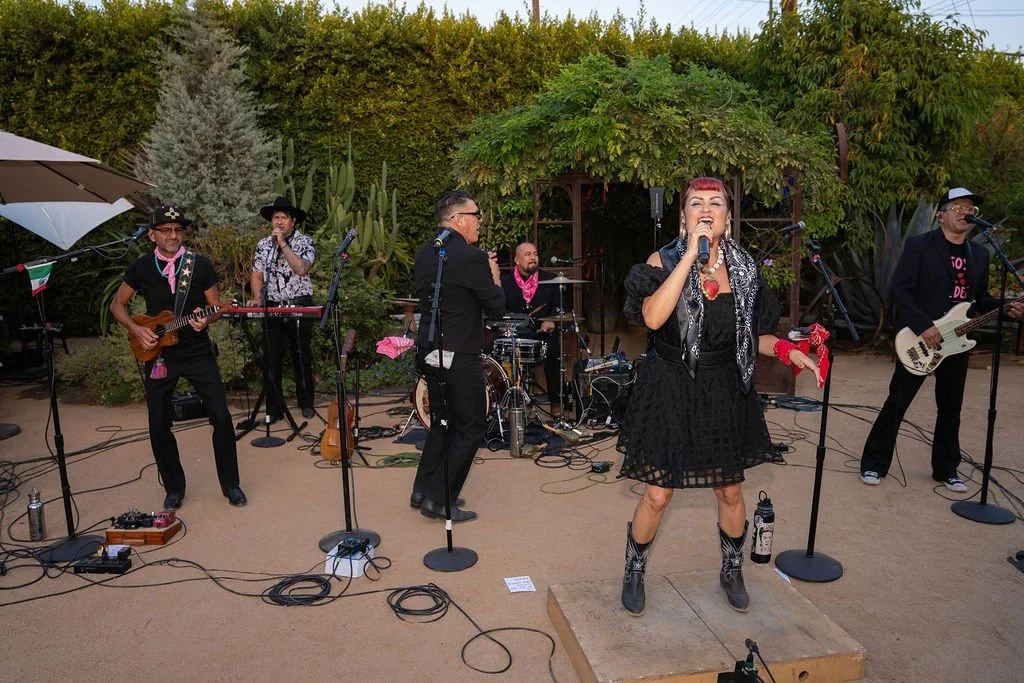
These collaborators bring:
Native audience credibility
Community relevance
Organic amplification
Cultural texture
Built-in storytelling
Big brands spend millions trying to feel authentic.
Small brands simply partner with authenticity.
Build a Local Partner Brief
To streamline collaboration and set clear expectations, CSA helps brands craft an effective local partner brief that includes:
A clear overview of your activation’s purpose
The brand goals and values
The specific contribution you’re seeking
Budget parameters
Creative guidelines and non-negotiables
Deliverables for both sides
Content and amplification plan
Timeline and production calendar
A simple document like this avoids misalignment and accelerates trust.
And if needed?
CSA can take over vendor sourcing, partner management, and local cultural integration entirely.
Pop-Ups as Power Tools for Small Brands
Pop-ups are the perfect format for small brands during global events.
They are:
Lightweight
High-impact
Modular
Fast to build
Customizable
Social-first
Budget-friendly
Discoverable
Whether it’s a 10x10 tasting bar, a micro retail shop, a sensory experience, or a neighborhood takeover moment, pop-ups give small brands a way to make a surgical strike into the cultural conversation.
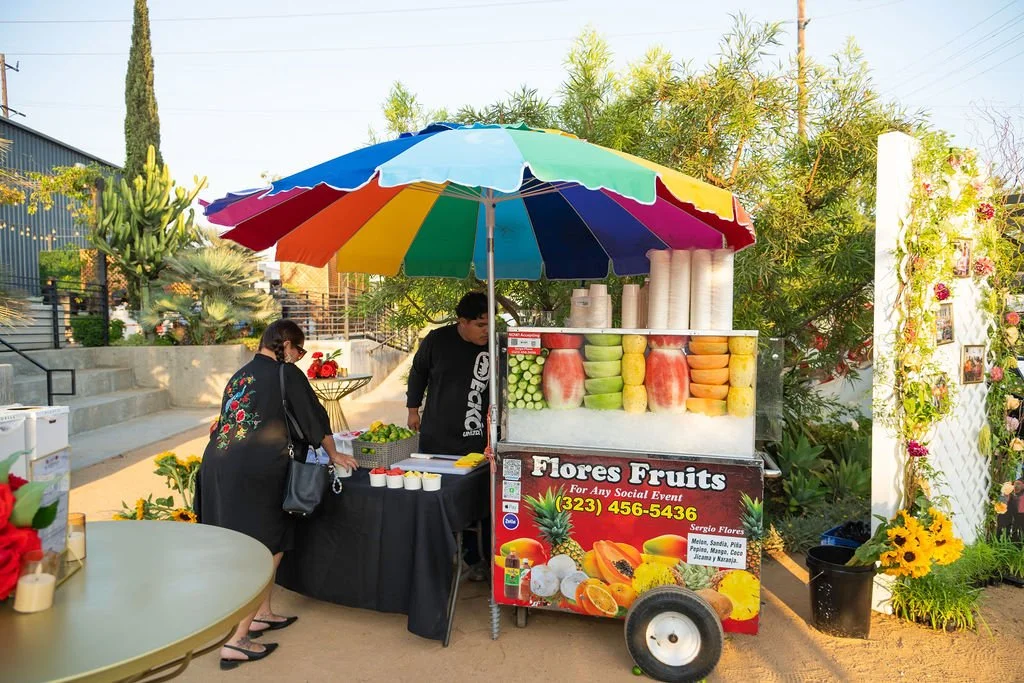
This is exactly why The Pop-Up Blueprint is the lead magnet attached to this blog topic—it’s the most relevant next step for any brand planning a small, high-impact footprint during major global events. It walks teams through concept, build, flow, staffing, and amplification so even a small budget can create a big presence.
Why “Small” Can Actually Be an Advantage During Major Events
Whether you’re a small or big brand, you’re never operating in a vacuum. Both come with their own restrictions you have to be aware of—whether it’s sponsorship package rules, venue limitations, or internal protocols around what’s allowed at official events.
Larger brands are often bound by:
Sponsor restrictions
Venue rules
Brand compliance and legal approvals
Smaller brands, on the other hand, are usually free to:
Activate where they want, just outside the most crowded or restricted zones
Tell stories big brands can’t touch because of politics, positioning, or partnerships
Move quickly and pivot based on what’s actually happening on the ground
Respond to real-time culture instead of waiting on approvals
Build intimate, high-impact experiences instead of mass, generic ones
Collaborate with local partners, venues, and creators in a more flexible way
Experiment creatively without layers of corporate red tape
In other words: agility + authenticity is a winning formula during major events—and that’s where smaller, sharper brands can often outperform the biggest names in the room.
Your Impact Isn’t Measured by Square Footage—It’s Measured by Memory
If you create one exceptional moment—and if that moment is captured, shared, and talked about—you’ve already done what 90% of the larger brands fail to do:
You created emotional recall.
And emotional recall is what makes people:
Follow your brand
Buy your product
Join your community
Share your moment
Seek you out after the event
Talk about you long after closing day
Small brands don’t need the biggest footprint.
They need the most strategic one.
If you’re planning a small but powerful activation at a major event, the next best step is using The Pop-Up Blueprint to map your hero moment, build it intelligently, and amplify it intentionally.
CSA exists to help small brands show up like global players—without global budgets.