Building the Dream Team: What Every Brand Needs in Their Experiential Partner Before the Event Begins
Great events don’t fall apart on show day. They fall apart before the first email is sent, before the first vendor is booked, before the first idea is approved.
Most brands don’t struggle because they lack ambition or budget. They struggle because they hire partners and employees who are misaligned with the reality of experiential execution. When creative lives in one place and production lives in another, gaps form—and those gaps show up as delays, cost overruns, diluted ideas, and on-site chaos.
Building the right experiential partner ecosystem before the event begins is what separates seamless, high-impact experiences from ones that feel disjointed or reactive.
This is where CSA operates differently.
Creative + Production Under One Roof (Why This Matters More Than You Think)
Most agencies specialize in either creative strategy or production execution—but rarely both. Creative agencies are exceptional at ideas, decks, and storytelling. Production teams are experts at logistics, fabrication, and on-site execution. The problem arises when those two worlds operate in silos.
CSA is built on the belief that vision and execution must live together.
When creative and production are handled by separate teams, miscommunication is almost inevitable. Ideas get lost in translation. Designs look great in theory but don’t survive budget constraints, venue limitations, or build timelines. Adjustments happen too late, and by the time the event arrives, compromises are already baked in.
When strategy and production live under the same roof, that friction disappears.
Creative concepts are developed with feasibility in mind from day one. If an activation needs to pivot because of budget, venue constraints, or timeline shifts, those decisions happen in real time—without endless back-and-forth or diluted outcomes. The result is a stronger, more cohesive experience that actually reflects the original vision.
This integrated approach also allows resources to be allocated more intelligently. CSA understands where to invest for maximum impact and where to scale back without sacrificing quality. Every dollar works harder because decisions are made with both storytelling and logistics in mind.
The Three-Tier Vendor Ecosystem (And Why Orchestration Is Everything)
Experiential events are never powered by a single vendor. They’re powered by a network of specialists—and without strong orchestration, that network quickly becomes fragmented.
CSA operates using a three-tier vendor ecosystem that ensures clarity, alignment, and accountability at every level.
Tier One: Core Production Partners
These are the teams responsible for physically bringing the experience to life—fabrication, A/V, lighting, staging, and production crews. This tier is the backbone of the event.
CSA manages these partners centrally to ensure design integrity, technical feasibility, and precise timing. Because CSA is involved early in both creative and production planning, builds are realistic, efficient, and aligned with the experience narrative. There are no last-minute surprises about what can or can’t be built.
Tier Two: Experience & Talent Partners
This tier includes talent, influencers, performers, speakers, and guest engagement teams. These partners elevate the emotional and cultural layer of the event.
CSA coordinates this group with intention—ensuring that talent isn’t just “present,” but meaningfully integrated into the experience. Every appearance, activation, or performance is aligned with the brand story, audience expectations, and overall flow of the event.
The result is engagement that feels natural, not forced.
Tier Three: Support & Operational Partners
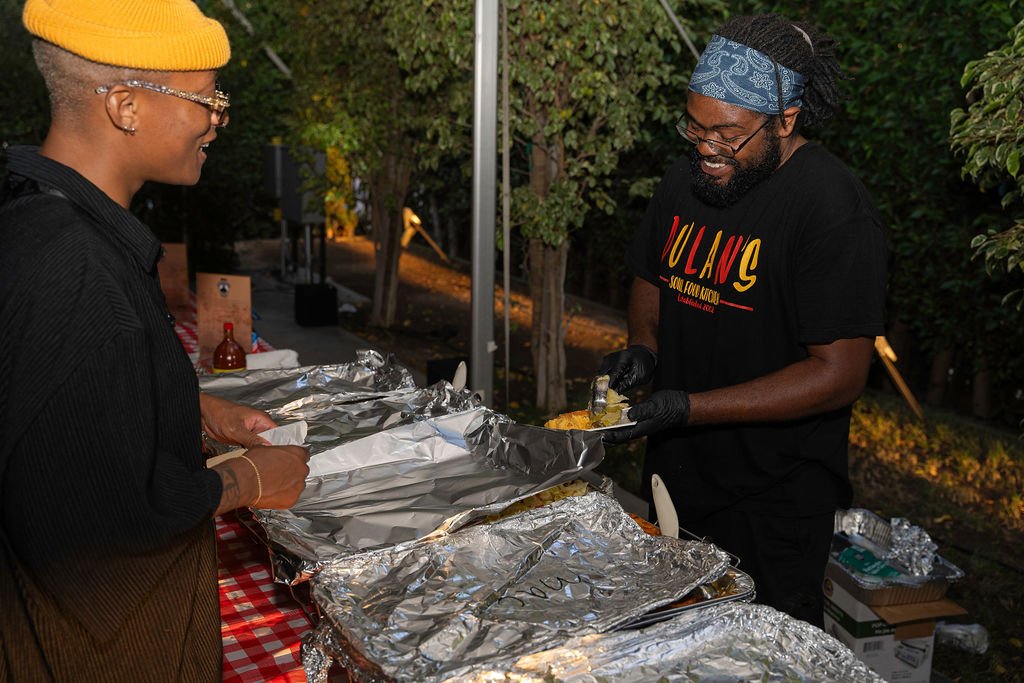
Catering, security, transportation, hospitality staff, registration teams—this tier shapes how the event feels to attendees.
Guests may not consciously notice these elements when they’re done well, but they immediately feel it when they’re not. CSA ensures these partners are aligned, briefed, and prepared so the experience feels seamless, welcoming, and elevated from arrival to departure.
Why This Structure Protects Brands
When one partner is responsible for orchestrating the full ecosystem, accountability becomes clear. There’s no finger-pointing, no conflicting instructions, and no confusion on-site.
More importantly, this structure protects the brand. It ensures consistency in messaging, smoother execution, and the ability to respond quickly when conditions change—which they always do.
Brands don’t just need vendors.
They need a partner who can see the entire system, anticipate issues before they surface, and lead the experience from concept to closing night.
That’s what a true experiential partner does.
The Bottom Line
Building the dream team isn’t about hiring the biggest agency or the flashiest creative shop. It’s about choosing a partner who understands both the art and the mechanics of experience design.
When creative vision and production execution are aligned from the start, events don’t just look good—they work. They feel intentional. They run smoothly. And they leave a lasting impression on the people who matter most.
That’s the difference between planning an event and producing an experience.
And it starts long before the doors open.